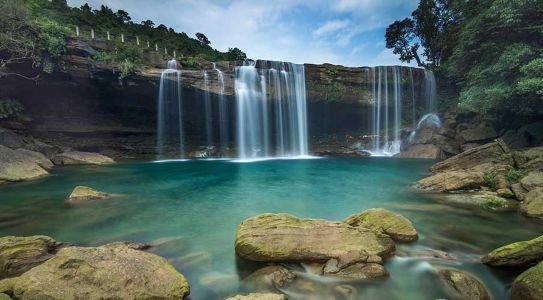
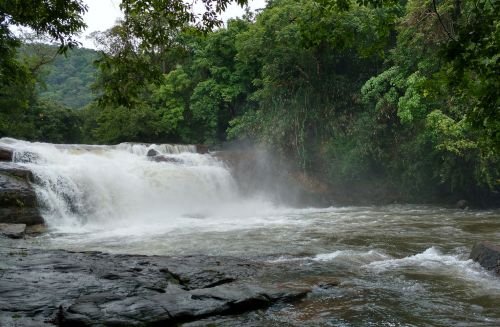
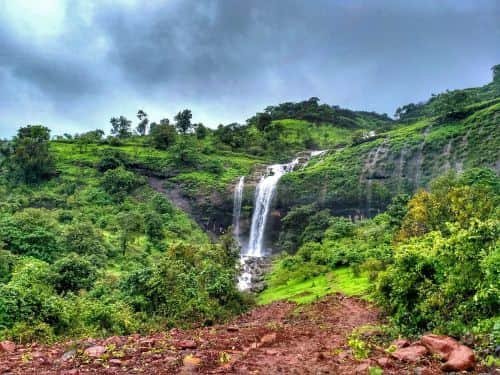
Yeoor Waterfall offers something unusual for a city as densely developed as Thane: within a short journey from busy residential areas, the landscape changes into protected forest, tribal villages, seasonal streams and monsoon waterfalls. The waterfall lies in the Yeoor Hills on the Thane side of Sanjay Gandhi National Park (SGNP), close to Upvan Lake.
However, Yeoor is not a conventional tourist waterfall with a paved path and guaranteed daily access. There are multiple seasonal cascades and forest trails within the Yeoor Hills, and access to some waterfall routes is periodically restricted for wildlife protection and monsoon safety. Current 2026 local reports indicate that some trails have been stopped by forest guards during the rainy season, while the Yeoor-side entrance near Upvan has remained the main approach.

Yeoor Waterfall: Quick Facts
- Location: Yeoor Hills, Thane West, Maharashtra
- Protected area: Sanjay Gandhi National Park landscape
- Distance from Thane Railway Station: Roughly 9–11 km
- Type: Seasonal forest waterfall/cascades
- Best waterfall season: June to September
- Best for forest walks: October to February
- Trek: Varies by cascade and permitted route
- Difficulty: Easy to moderate on commonly used trails
- Official waterfall timing: No clearly published separate schedule
- Entry fee: Forest/visitor charges vary; verify at the authorised gate
- Nearest railway station: Thane
- Nearest major airport: Chhatrapati Shivaji Maharaj International Airport, Mumbai
- Important: Check current Forest Department/Thane administration restrictions before attempting a waterfall trail
What Makes Yeoor Waterfall Different?
Yeoor is better understood as a forest-and-waterfall area rather than one huge waterfall.
The hills contain seasonal streams that create several cascades after heavy monsoon rain. Current map results identify a specific Yeoor Waterfall, while local trekking information also identifies Kokanipada Waterfall, Chirma Devi Waterfall and other smaller cascades in different parts of the Yeoor landscape.
Yeoor’s setting is also ecologically important. Official government project documents confirm that Yeoor village and its surrounding forest land form part of Sanjay Gandhi National Park.
That means this is active wildlife habitat rather than an ordinary picnic ground. Visitors should not leave recognised routes simply to find a quieter waterfall.
Is Yeoor Waterfall Currently Open?
This is the most important point to check before travelling.
Access arrangements at Yeoor have changed repeatedly. Local reports from August 2026 said the Tikuji-ni-Wadi-side entrance had closed, while the Yeoor entrance from the Upvan side remained in use. The same reports said forest guards could stop visitors from entering certain waterfall trails during monsoon.
More importantly, in July 2026 the Thane District Collector prohibited public entry to waterfalls, forts, dams, lakes and riverbanks across the district during a period of dangerous heavy rainfall, with restrictions continuing until further orders at that time.
Therefore, do not rely on an old blog saying the waterfall is “open every day.”
Check current local/Forest Department access on the day of your visit. If guards have closed a trail, do not use an unofficial village or forest shortcut to bypass the restriction.
Yeoor Waterfall Timings
There is no dependable current official timetable specifically for Yeoor Waterfall.
Published sources differ considerably. Yeoor Hills is commonly listed around 8 AM–7 PM, while other local waterfall guides recommend roughly 7 AM–6 PM.
Because waterfall trails pass through protected forest, a sensible practical schedule is:
Start: 7:00–9:00 AMReturn: Well before evening
Early morning is particularly suitable because:
- The weather is cooler.
- You have more daylight for the return.
- Forest trails are easier to navigate.
- Weekend crowds are usually smaller.
- You have time to change plans if a waterfall trail is closed.
Do not plan an evening waterfall trek simply because Yeoor village or restaurants remain accessible later.
Yeoor Waterfall Entry Fee
There is no reliable current tariff that can be presented as a guaranteed Yeoor Waterfall ticket.
Older and current travel sources give conflicting figures, including approximately ₹30, ₹51–₹58 for adults and other locally reported charges.
The differences may reflect changes over time or different charges for pedestrians, children, vehicles and forest access.
The safest advice is to pay only at an authorised gate/check-post and check the displayed current tariff.
Do not pay someone to take you through an unauthorised forest route if official access is closed.
Yeoor Waterfall Trek
The walking distance depends on which waterfall or cascade you are trying to reach.
One mapped Yeoor Waterfall Loop is approximately 3 miles (4.8 km) in total and is rated moderate. Other local descriptions put the walking time towards specific cascades at around 1.5–2 hours one way, while shorter forest waterfalls can be reached more quickly.
This variation is another reason not to assume that every photo labelled “Yeoor Waterfall” shows the same location.
Expect:
- Forest paths
- Mud during monsoon
- Rocky sections
- Seasonal streams
- Steep slopes in places
- Dense vegetation
- Limited signs
- Wildlife habitat
Beginners can enjoy recognised Yeoor nature trails, but unfamiliar waterfall routes are better attempted with proper local guidance and only where access is permitted.
Best Time to Visit Yeoor Waterfall
June to September
This is when Yeoor’s seasonal waterfalls come alive.
The forest becomes extremely green and small streams turn into active cascades. Local waterfall guides consistently identify June–September as the main waterfall season.
But maximum water also means maximum risk. Extreme rain can lead to slippery trails, rapidly rising streams and temporary administrative closures.
Late September to October
This can offer a better balance after a good monsoon. Some cascades may retain useful flow while trails gradually become easier.
Waterfall volume depends entirely on recent rainfall.
November to February
Yeoor remains excellent for forest walks, birdwatching and cooler-weather hiking, but the seasonal waterfalls become considerably weaker.
March to May
Do not visit specifically for the waterfall. Seasonal streams can become very small or dry.
How to Reach Yeoor Waterfall
From Thane Railway Station
Thane is the most convenient railway and transport base.
Yeoor Hills is approximately 9–10 km from Thane Railway Station, depending on the gate and route.
The broad route towards the traditional Yeoor entrance is:
Thane Station → Pokhran Road → Upvan Lake → Yeoor Hills Road → Yeoor entrance/check-post
An auto-rickshaw, city bus or taxi can take you towards the entrance.
The waterfall itself requires walking after reaching the appropriate permitted trail.
By Bus
Public transport is one of the easiest ways to reach Yeoor without worrying about vehicle restrictions.
Current local trekking information identifies TMT Bus No. 16 from Thane West for the Yeoor-side route. Older guides also mention buses towards Upvan, Pawar Nagar and Patonpada.
Because routes and service numbers can change, confirm the current destination with TMT or at Thane Station before boarding.
By Auto-Rickshaw or Taxi
From Thane Station, ask for Yeoor Hills/Upvan-side entrance.
The road journey generally takes around 30–40 minutes depending on traffic.
One practical issue is the return trip. App-based vehicles may not always be easy to book from deeper inside Yeoor, so keep enough time to walk back towards the main road or bus route.
By Private Vehicle
From central Thane, travel towards:
Pokhran Road → Upvan Lake → Yeoor Hills
Private-vehicle access is controlled because Yeoor is part of a protected forest landscape. Vehicle fees or restrictions may apply at the check-post.
Do not assume that a private vehicle can be driven directly to the waterfall.
By Train
Thane Railway Station is the nearest major station.
It is on Mumbai’s Central suburban line and provides frequent connectivity from Mumbai, Kalyan and surrounding areas.
From Thane West, continue by bus, auto or taxi towards Upvan and Yeoor.
By Air
The nearest major airport is Chhatrapati Shivaji Maharaj International Airport, Mumbai.
One current local guide places the airport roughly 29 km from Yeoor, although actual driving distance and time depend heavily on your terminal and Mumbai traffic.
From the airport, take a taxi towards Thane West and continue to Yeoor.
Nearby Places to Visit
Upvan Lake
Upvan Lake sits at the foothills of Yeoor and is the easiest attraction to combine with a forest visit. It is one of Thane’s well-known recreational lakes and lies near the traditional approach towards Yeoor Hills.
It works particularly well as an alternative if waterfall trails are closed.
Yeoor Hills
Even without reaching a waterfall, Yeoor Hills offers forest walks, birdwatching and views over Thane. More than just a waterfall destination, the landscape includes tribal villages, streams and several hiking routes.
Tiger Hill
Tiger Hill is one of the recognised trekking destinations within the Yeoor landscape. A recent 2025 trek report describes reaching it from the Yeoor/Manpada trail network and getting broad views towards Thane city and the creek.
Only use currently permitted routes.
Kokanipada Waterfall
Kokanipada is another seasonal waterfall within the wider Yeoor/SGNP trail network. Recent trekking reports describe reaching it through the Tiger Hill–Vanitapada side.
It should be treated as a separate waterfall rather than another name for Yeoor Waterfall.
TMC Biodiversity Park
The wider Yeoor area also has biodiversity-focused attractions associated with the forest landscape. Government documents confirm plans for eco-tribal tourism and nature-information facilities within Yeoor.
Wildlife and Safety at Yeoor
Yeoor’s closeness to Thane can create the false impression that it is an ordinary city park.
It is not.
The hills form part of the Sanjay Gandhi National Park forest system, and wildlife occurs throughout the landscape. Government and local environmental information records diverse mammals, reptiles, birds and other species in the area.
Visitors should:
- Never enter a trail closed by forest guards.
- Avoid walking alone on unfamiliar routes.
- Do not swim in deep forest pools.
- Never jump from waterfall rocks.
- Avoid crossing swollen streams.
- Wear shoes with strong grip.
- Stay on recognised trails.
- Keep children close.
- Never approach or feed wildlife.
- Do not carry alcohol into protected forest areas.
- Avoid loud music.
- Carry all rubbish back.
- Leave the forest well before darkness.
- Avoid waterfall trails during extreme rainfall.
Recent local reports indicate that guards have actively stopped access to some waterfall trails during the 2026 monsoon. Respect those restrictions even if other visitors appear to be bypassing them.
Yeoor Waterfall FAQs
Q1. What are the timings of Yeoor Waterfall?
A: There is no clearly verified current official timetable specifically for the waterfall. Yeoor Hills is commonly listed with daytime access, but waterfall trails can have additional restrictions. For a nature visit, start around 7–9 AM and return well before evening.
Q2. How far is Yeoor Waterfall from Thane Station?
A: Yeoor Hills is roughly 9–10 km from Thane Railway Station. The road journey usually takes around 30–40 minutes, followed by walking if you are visiting a permitted waterfall trail.
Q3. Is Yeoor Waterfall open during monsoon?
A: Not necessarily. Monsoon provides the best waterfall flow, but it is also when safety restrictions are most likely. In July 2026, Thane district authorities prohibited access to waterfalls and similar natural attractions during dangerous heavy-rain conditions, and local August reports said guards were restricting some Yeoor waterfall trails. Always check current access before travelling.
Q4. What is the best time to visit Yeoor Waterfall?
A: June to September is the main season for waterfall flow, but avoid periods of extreme rainfall. Late September can be a good compromise if the monsoon has been strong and the relevant trail is officially open.
Q5. Can you swim at Yeoor Waterfall?
A: Do not treat Yeoor’s forest pools as designated swimming areas. Some older guides mention swimming, but other trail information reports closures following accidents around the river and waterfall areas. The safer approach is to avoid deep pools and follow whatever Forest Department restrictions are in force on the day of your visit.