Neergarh Waterfall is one of the easiest places around Rishikesh to trade busy ghats and cafés for a short Himalayan foothill walk. Also called Neer Garh, Neer Gaddu or Neer Waterfall, it sits above the Rishikesh–Badrinath Highway, where Neergarh Waterfall Road climbs away from the main highway towards a forested stream and a series of natural cascades.
The waterfall is not a single roadside drop. Several levels appear as you walk uphill, with small bridges, rocky pools and forest paths connecting them. A Government of India tourism publication lists Neer Garh among Rishikesh’s major attractions, while a government feasibility report describes reaching the waterfall after roughly a kilometre of trekking through forest terrain.

Neergarh Waterfall: Quick Facts
- Location: Neergarh Waterfall Road, near Tapovan, Rishikesh, Uttarakhand
- Also called: Neer Garh, Neer Gaddu, Neer Waterfall
- Distance from Lakshman Jhula area: Approximately 4–5 km depending on starting point
- Distance from Rishikesh Railway Station: About 9 km
- Current map-listed timings: Around 9:00 AM–5:00 PM
- Common visitor timing: Around 8:00 AM–5:00/6:00 PM
- Entry fee: Commonly reported around ₹30 per person; verify locally
- Trek: Roughly 1 km for the commonly visited waterfall section; farther tiers require more walking
- Difficulty: Easy to moderate
- Best time: September to March for comfortable walking; summer is popular for cooling off
- Peak flow: Monsoon and immediately afterward
- Recommended duration: Around 2–3 hours
What Is Special About Neergarh Waterfall?
Neergarh works well for visitors who want a little trekking without committing to a full-day Himalayan trail.
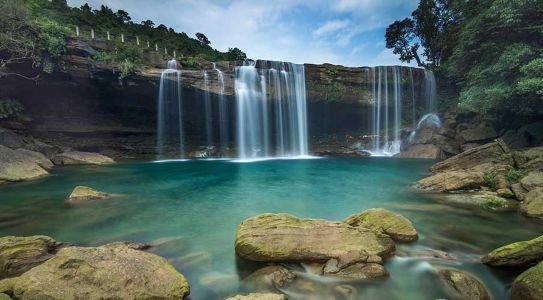
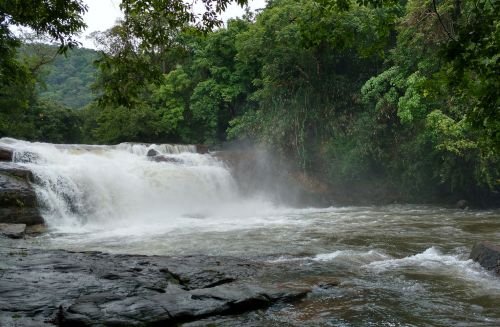
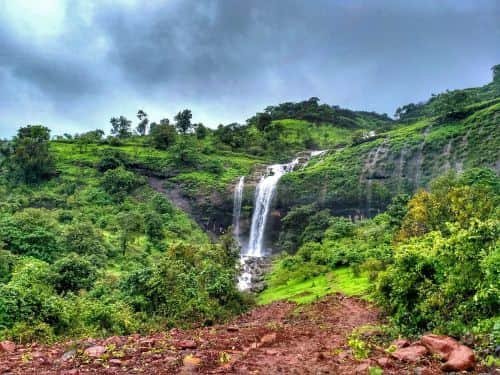
The stream descends through several rocky levels rather than forming one enormous vertical waterfall. Some sections have natural pools, while small bridges and paths connect different viewpoints. The upper levels require more climbing and are usually quieter than the first accessible cascade.
Current regional tourism information describes Neergarh as one of Rishikesh’s most accessible waterfall walks, with the route passing through forest, small bridges and rocky pathways.
Another advantage is its proximity to Tapovan. You can comfortably visit Neergarh in the morning and still have enough time for Lakshman Jhula, the Ganga riverfront or an evening aarti.
Neergarh Waterfall Timings
There is some inconsistency in published timings.
The current map listing for Neer Waterfall on Neergarh Waterfall Road shows:
9:00 AM to 5:00 PM
Other established travel sources give approximately 8:00 AM to 5:00 PM, while some extend the closing time to 6 PM.
Because there is no clearly published current Uttarakhand Tourism gate schedule, it is safer to treat 9 AM–5 PM as the practical visiting window.
Try to arrive between 9 AM and 11 AM. This gives you time to walk beyond the first cascade without worrying about returning in poor light.
Heavy rain can also affect access regardless of normal timings.
Neergarh Waterfall Entry Fee
A commonly reported entry fee is:
₹30 per person
This figure is supported by multiple established regional travel sources.
However, fee information online is inconsistent, with some newer sources reporting revised rates. Treat ₹30 as an indicative amount rather than a guaranteed current tariff.
Parking or vehicle charges may be collected separately.
Carry some cash because mobile connectivity can weaken as you move farther up the valley.
Neergarh Waterfall Trek
The walking distance depends on which waterfall level you want to reach, which explains why online descriptions often disagree.
A government feasibility report describes approximately 1 km of trekking through forest terrain to reach Neer Garh.
Regional visitor information describes a smaller waterfall after a relatively short approach, followed by additional walking to higher and larger cascades. One established guide describes approximately 1 km to Neergarh Waterfall I and a longer route if continuing towards Waterfall II.
Expect:
- Uphill walking
- Stone and dirt paths
- Small bridges
- Uneven rocky sections
- Wet surfaces near the stream
- Steeper sections towards higher levels
The lower sections are manageable for most reasonably active visitors. Continuing farther uphill requires more effort.
Wear shoes with good grip rather than smooth sandals.
Best Time to Visit Neergarh Waterfall
March to June
Summer is popular because the cold mountain water provides relief from Rishikesh’s daytime heat.
Water flow may be lower than after monsoon, but walking conditions are generally easier.
July to September
The waterfall becomes more powerful and the surrounding hills turn intensely green.
This is also the most unpredictable period. Heavy Himalayan rain can make the trail slippery and cause sudden increases in stream flow.
Do not enter the pools or continue uphill during extreme rainfall.
September to November
This is arguably the best balance for waterfall scenery and trekking. Regional tourism information recommends visiting just after the monsoon, when flow remains attractive but conditions generally become easier.
December to February
Winter offers quieter trails and pleasant daytime walking, although the water is extremely cold and flow may be gentler.
For most first-time visitors, September to March is the easiest period to recommend.
How to Reach Neergarh Waterfall
From Tapovan
Tapovan is the most convenient base.
Follow the Rishikesh–Badrinath Highway (NH 7) north from Tapovan until you reach the turn for Neergarh Waterfall Road. From there, the road climbs towards the waterfall entrance and parking area.
A scooter, motorcycle, auto or taxi makes the journey straightforward.
From Lakshman Jhula
Published distances vary depending on whether they measure from the bridge, Tapovan or the waterfall trailhead. A useful estimate is approximately 4–5 km from the Lakshman Jhula area.
One detailed route description places the waterfall roughly 4 km walking distance from Lakshman Jhula, while another regional source gives approximately 5 km.
The broad route is:
Lakshman Jhula/Tapovan → Badrinath Highway → Neergarh Waterfall Road → entrance → waterfall trail
An auto or scooter is easier than walking the entire highway section.
From Rishikesh City
From central Rishikesh, travel towards Tapovan and the Badrinath Highway, then continue towards the Neergarh Waterfall Road turn.
Depending on where you start in Rishikesh, allow roughly 20–30 minutes by road before the walking section.
By Auto or Taxi
Autos and taxis are readily available around Tapovan and central Rishikesh.
If hiring one specifically for Neergarh, arrange your return journey before entering the waterfall trail, particularly on quieter weekdays. Finding a waiting vehicle later is not always guaranteed.
By Scooter or Motorcycle
A scooter or motorcycle is one of the most flexible ways to reach the waterfall.
Follow NH 7 from Tapovan and turn onto Neergarh Waterfall Road. The access road climbs steeply in places, so inexperienced riders should take particular care during rain.
Use only designated parking areas.
By Bus
There is no particularly convenient direct tourist bus to the waterfall itself.
Buses travelling along the Badrinath/upper Rishikesh corridor may get you closer to the highway turn, but an auto or taxi is more practical for most visitors.
By Train
Yog Nagari Rishikesh and Rishikesh railway stations provide rail access to the city. Older route information commonly places Rishikesh Railway Station around 9 km from Neergarh Waterfall.
From the station area, take an auto or taxi towards Tapovan and Neergarh Waterfall Road.
For travellers using a wider range of long-distance trains, Haridwar is another important rail hub.
By Air
The nearest airport is Jolly Grant Airport, Dehradun.
From the airport, travel by taxi towards Rishikesh and Tapovan, then continue along the Badrinath Highway towards Neergarh.
Nearby Places to Visit
Lakshman Jhula Area
The Lakshman Jhula–Tapovan area is the easiest attraction to combine with Neergarh. Although access arrangements around the historic bridge have changed over time, the surrounding riverfront, temples, cafés and ghats remain a major part of the Rishikesh experience.
Tapovan
Tapovan is an excellent place for breakfast or lunch before or after the waterfall. It also provides convenient accommodation for travellers interested in yoga, cafés and shorter nature trips around northern Rishikesh.
Patna Waterfall
Patna Waterfall offers a different experience on the Neelkanth side. It requires roughly a 1–1.5 km forest walk and is generally quieter than Neergarh.
Do not confuse Patna Waterfall with Neergarh—they lie on different routes.
Garud Chatti Waterfall
Garud Chatti is another short-trek waterfall near Rishikesh. Regional tourism information describes it as roughly 5 km from Lakshman Jhula and reached after around a 1 km forest walk.
Kyarki Viewpoint
If you continue uphill beyond the Neergarh area, the road eventually reaches the Kyarki side, known for broad views over Rishikesh and the Ganga valley. Recent 2026 visitors report a popular viewpoint roughly 3 km beyond the waterfall area, although the final road can be rough.
Triveni Ghat
After a morning waterfall visit, return to Rishikesh for the evening Ganga Aarti at Triveni Ghat. It provides a completely different experience from the forest walk and works naturally in the same day’s itinerary.
A simple plan is:
Neergarh Waterfall in the morning → Tapovan/Lakshman Jhula → rest or lunch → Triveni Ghat in the evening
Can You Swim at Neergarh Waterfall?
Natural pools are one of Neergarh’s main attractions, and visitors commonly enter the shallower water during suitable conditions.
However, this does not mean every pool is safe throughout the year.
Avoid entering when:
- Water is flowing rapidly
- Heavy rain has occurred upstream
- The water is muddy
- Local staff advise against bathing
- You cannot see the pool bottom
- Rocks are excessively slippery
Never jump from rocks into a pool simply because other visitors are doing it.
Safety Tips for Neergarh Waterfall
The trail is relatively easy, but wet Himalayan terrain deserves care.
- Wear shoes with strong grip.
- Avoid flip-flops on wet sections.
- Do not climb the rock face beside the waterfall.
- Stay out of deep pools if you cannot swim confidently.
- Avoid the trek during extreme rainfall.
- Do not cross a rapidly rising stream.
- Keep children within reach near pools.
- Start early enough to return before darkness.
- Carry drinking water.
- Keep phones and valuables in a waterproof pouch.
- Do not leave plastic or food waste behind.
- Follow any temporary Forest Department or local restrictions.
The trail becomes significantly more hazardous during monsoon even though the waterfall looks more impressive.
Neergarh Waterfall FAQs
Q1. What are the timings of Neergarh Waterfall?
A: Current map information lists approximately 9 AM to 5 PM, while other established sources report 8 AM–5/6 PM. Because an authoritative current government timetable is not clearly published, 9 AM–5 PM is the safer practical window for planning your visit.
Q2. How far is Neergarh Waterfall from Lakshman Jhula?
A: Expect approximately 4–5 km from the Lakshman Jhula/Tapovan area, depending on the exact starting point and where you measure the waterfall entrance.
Q3. How long is the Neergarh Waterfall trek?
A: Around 1 km of walking is a useful estimate for reaching the commonly visited waterfall section, and a government feasibility report also describes about a kilometre of trekking. Higher waterfall levels can require additional walking.
Q4. What is the entry fee for Neergarh Waterfall?
A: An entry fee of approximately ₹30 per person is widely reported by established regional travel sources. Rates can change, and parking or vehicle fees may be additional, so check the displayed tariff at the entrance.
Q5. Which is the best time to visit Neergarh Waterfall?
A: September to November is excellent if you want stronger post-monsoon flow with more manageable trekking conditions. October to March is comfortable for walking, while summer is popular for cooling off in the water. Peak monsoon provides dramatic flow but also brings the highest risk from slippery trails and sudden stream surges.